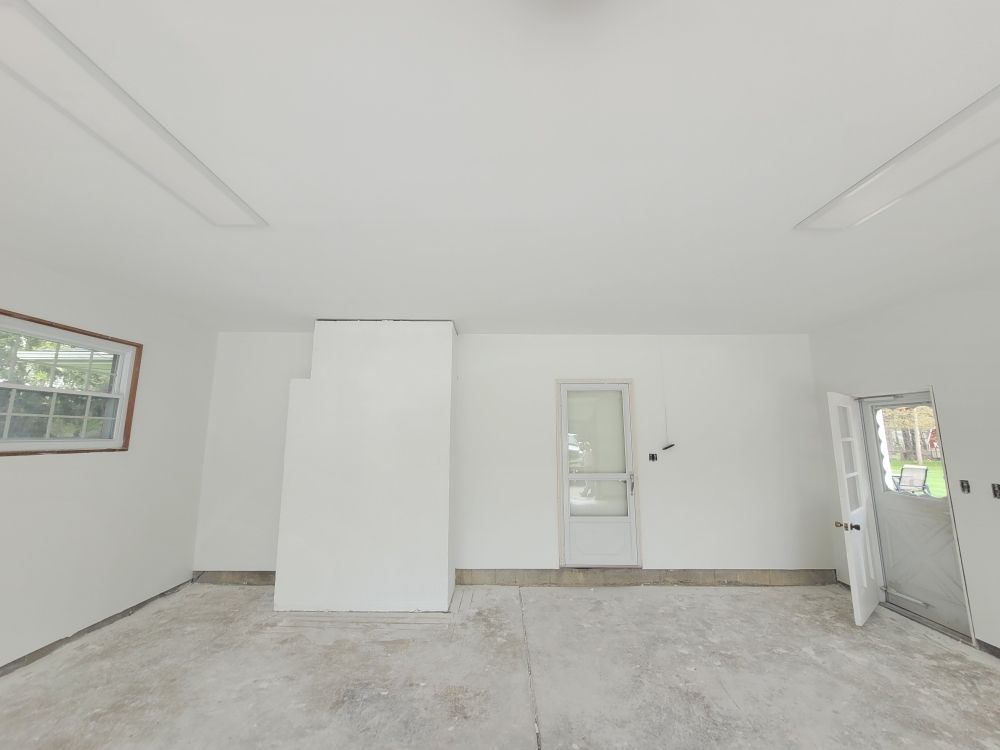
The Art of Drywall: Tips and Tricks for a Flawless Finish Jun 15, 2026
Start by selecting the right drywall. The type of drywall you choose depends on the room's purpose and environmental conditions. For instance, moisture-resistant drywall is ideal for bathrooms and kitchens, while fire-resistant panels work well in areas with heating appliances. The thickness of the drywall is also crucial; thicker sheets are better for soundproofing, which is perfect for bedrooms and music rooms.
Once you've selected the right material, it's time to cut and install. Cutting drywall requires precision. Use a T-square to guide your cuts and a utility knife to score along the lines. Always cut slightly smaller than the measurements to ensure a snug fit. Installation is where it can get tricky, but it's nothing you can't handle with patience and care. Begin by securing the drywall to the studs with screws, ensuring they're 16 inches apart for optimal support.
Taping and mudding are the next steps, and this is where amateur efforts often fall short. Begin by applying a thin layer of joint compound over the seams, then place drywall tape directly over it, smoothing it out to avoid bubbles. Apply another layer of compound over the tape. This process, known as mudding, involves applying, sanding, and reapplying layers until you achieve a uniform surface. Patience is key here; each layer needs time to dry before sanding and applying the next coat.
For those looking to add extra style to their drywall, consider different texturing techniques. A popular choice is the skip trowel or knockdown texture, which can add depth and character to a room. Creating these textures involves special tools and a steady hand but can be a rewarding way to add personal flair to your home.
Painting is the final step in achieving a flawless drywall finish. Always prime the walls before painting, as primer ensures better paint adhesion for a smoother, more durable finish. When selecting paint, consider the room's natural light and color harmony with the rest of your home’s decor. Use rollers for larger areas for even coverage, while brushes work well for the edges and corners.
If unsure about any step, consulting professionals from Painting & Drywall Services of Michigan can help ensure a perfect finish. They have the expertise to handle everything from texturing to painting, providing valued guidance during your home renovation process.
Completing drywall projects with meticulous attention to these details ensures not just a visually appealing space but also structural integrity. Whether you're a novice or a seasoned DIYer, these tips can help you attain a professional-looking outcome. By understanding each phase—selection, installation, mudding, texturing, and painting—you can transform your space and add significant value to your home. Embrace the art of drywall, and enjoy the satisfaction of a beautifully finished room.
/filters:no_upscale()/filters:format(webp)/media/7ce36c1e-ac6a-4e87-9178-394e0ad6601a.jpeg)
/filters:no_upscale()/filters:format(webp)/media/ea1a51c4-a788-4403-850a-ef0effb30f9b.jpeg)